Anxiety About War and Global Conflict: How to Stay Calm During Uncertain Times
When news reports describe rising tensions between the United States, Israel, and Iran, many people notice their anxiety increase—even if the events are happening thousands of miles away.
You may find yourself checking the news repeatedly, feeling uneasy about the future, or experiencing a vague sense of dread that’s hard to explain. For some people, sleep becomes difficult, concentration declines, and worries about “what might happen next” begin to dominate their thoughts.
If you are experiencing this, you are not alone. Periods of international conflict often create widespread psychological stress. Our minds are naturally wired to scan for danger, and constant exposure to alarming news can keep our nervous system in a heightened state of alert.
Understanding why this happens—and how to respond to it—can help restore a sense of calm and emotional balance.
Why Global Conflict Triggers Anxiety
Even when a conflict is geographically distant, the human brain can react as if the threat is much closer.
1. The Brain Is Designed To Detect Threat
The amygdala—the part of the brain responsible for detecting danger—responds quickly to information suggesting potential threats. News about war, military escalation, or geopolitical instability can activate this system, leading to symptoms such as:
racing thoughts
muscle tension
restlessness
difficulty sleeping
constant worry
Your body may react before your rational mind has time to assess the actual level of risk.
2. The 24-Hour News Cycle Keeps Anxiety Activated
In previous generations, people received updates about world events once a day through newspapers or evening broadcasts.
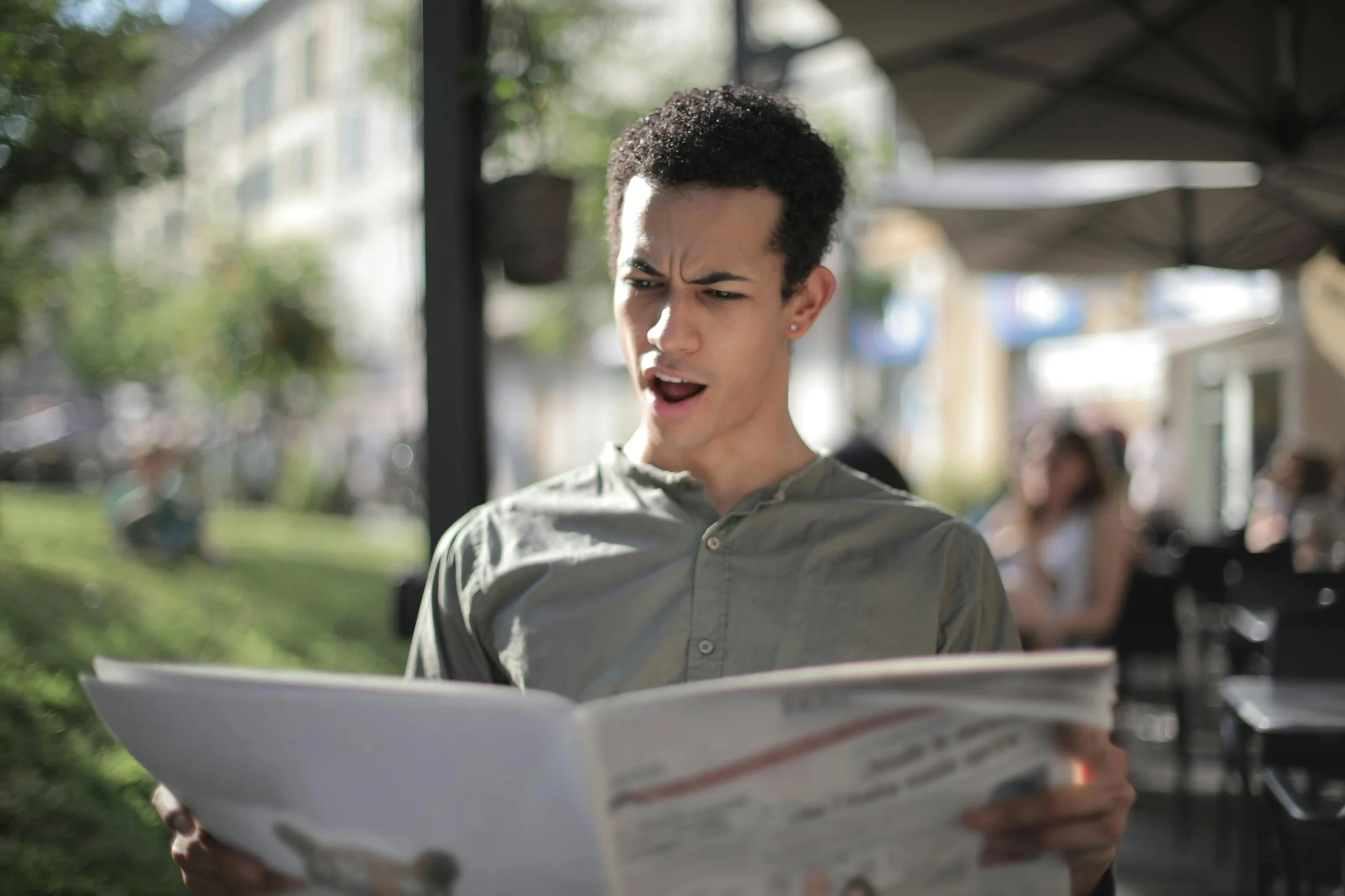
Today, news alerts, social media posts, and live reporting provide constant exposure to disturbing information. When the brain repeatedly receives signals that something dangerous is happening, it can remain stuck in a heightened stress response.
3. Uncertainty Fuels Anxiety
Anxiety thrives on uncertainty. When conflicts escalate between major countries, people may begin imagining worst-case scenarios such as economic instability, expanded military conflict, or global disruption.
Even if those scenarios are unlikely, the mind naturally tries to prepare for possible danger.
4. Personal or Cultural Connections
For some individuals, the anxiety is intensified because they have family, cultural ties, or emotional connections to the regions involved. In those situations, the news may feel deeply personal rather than distant.
Signs Your Anxiety May Be Increasing
During periods of global tension, you might notice:
compulsively checking the news or social media
difficulty focusing on work or daily responsibilities
feeling emotionally drained or overwhelmed
irritability or restlessness
trouble sleeping or relaxing
a persistent sense that something bad might happen
While staying informed is reasonable, being immersed in distressing news throughout the day can amplify anxiety significantly.
How To Manage Anxiety During Global Conflict
There are practical ways to protect your mental health while still staying informed about the world.
Limit News Exposure
Choose one or two reliable sources and check them once or twice a day. Continuous exposure to breaking news rarely improves understanding but can significantly increase stress.
Regulate Your Nervous System
Simple practices can help calm the body's stress response:
slow breathing exercises
short walks outside
stretching or physical movement
mindfulness or meditation
These activities signal to the nervous system that you are safe in the present moment.
Focus On What You Can Control
While you cannot control geopolitical events, you can control how you care for your mental and emotional well-being.
This might include maintaining routines, prioritizing sleep, connecting with supportive people, and limiting exposure to distressing media.
Stay Connected With Others
Talking through your thoughts with trusted friends or family members often reduces the intensity of anxiety. Human connection is one of the most powerful regulators of stress.
When Anxiety About World Events Becomes Overwhelming
For some individuals, global conflict can trigger deeper fears about safety, stability, or the future. In others, it may reactivate past trauma or long-standing anxiety patterns.
If you notice that worry about world events is affecting your sleep, concentration, or daily functioning, speaking with a psychologist can be extremely helpful.
Therapy provides a confidential space to explore these concerns, calm the nervous system, and develop strategies that allow you to stay informed without becoming emotionally overwhelmed.
Finding Emotional Stability In An Uncertain World
The world periodically experiences moments of tension and uncertainty. Yet people also have a remarkable capacity to regain balance and perspective.
With the right psychological tools and support, it is possible to stay informed about global events without allowing them to dominate your emotional life.
If anxiety about world events—or other life stressors—has begun affecting your well-being, professional support can help restore clarity, calm, and resilience.
Dr. Rebecca Moore offers confidential therapy for anxiety, stress, and life transitions through her concierge psychology practice serving clients throughout Texas via secure telehealth.
If you would like support, you are welcome to call (214) 399-3555 or reach out through the contact page to schedule a consultation.